IDG Connect's VP & Principal Analyst, Bob Johnson, offers some practical tips for Content Optimization.
If you are concerned about the expanding demands to create digital content for prospects and customers, your feelings are well founded. The surface of the communication bubble continues to expand in every direction, driven by fragmented audiences, expanding buying team size, new rich media formats and social media.
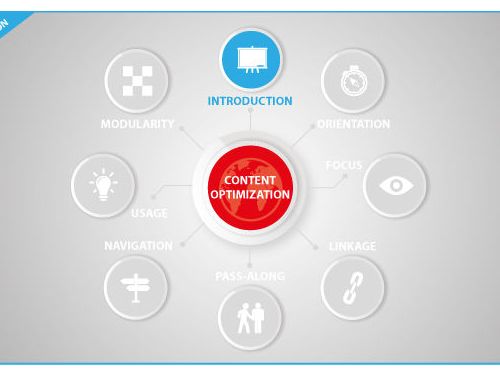
You simply can’t be everywhere you want to be without content creation costs consuming an ever greater portion of your marketing budget. However, you can optimize what you spend and the time you invest by paying attention to how you create content. I suggest you do it based on the seven principles outlined below.
The Time is Now
The timing has never been more relevant. If you truly want to maximize alignment with your audience needs and be relevant to buying team members, you have to get better LEVERAGE out of team efforts. Otherwise forget it - the communication bubble will consume you. Content creation will take up a greater percentage of budget dollars. Sales and channels will continue to complain about what you create. End result: your customers will find what you offer less and less relevant.
Feeling a bit concerned? You should be. Competitors that address the content conundrum will move closer to first position. And those that fail to will see their company on the shortlist less often. Most importantly, how you create content today cannot be the same way you created it three, five, or in some cases, ten years ago. Now content creation must be a cornerstone of your content strategy.
As you move your budget dollars from traditional to digital media, a critical area of spend will necessarily be on content creation. Research by Gartner, IDC and others shows a range from 6 to 11% of marketing budgets is currently allocated to content creation. This figure is only growing as more investments move to digital media.
The variance is driven in part by which business function creates content. Maybe it is marketing maybe it is product development, maybe it is another team, but regardless, it’s a big “chunk of change”, and no matter the creation source, marketing leadership needs to focus on how to improve.
Recalling the comedian George Carlin and the seven words you should never say, these are seven you should say all the time within your organization. Here are the seven core principles of content optimization.
The Seven Principles of Content Optimization
- Orientation: “Does the asset clarify its intended buyer profile or persona?” This enables buyers to confirm that an asset aligns with a specific role as a decision maker or recommender; their primary interest of technical, financial or business impact; and/or the current buying stage they are in.
- Focus: “Is the asset relevant and aligned with what we have confirmed they need to know?” The embedding of topical coverage and value propositions within an asset based on sound voice-of-the-buyer insight around preferences and interests. This principle forms the basis for alignment and relevance.
- Modularity: “Does the buyer see the asset broken out into sections, sidebars, call-outs, graphics and other distinct elements?” The organization and layout of an asset to leverage space to improve how it can be consumed, broken into modules or repurposed.
- Navigation: “Can the buyer see what is covered and how to quickly move to what is of greatest interest?” The in-asset intelligence and organization that speeds movement across elements or sections of an asset.
- Pass-Along: “If someone shares this, can they help others in the decision making process?” This should increase the desire of a buyer to share an asset with other buying team members with distinct aspects that clarify, organize, prioritize or summarize the issue.
- Linkage: “Where does the buyer go from here?” This should enable movement from within an asset to other related, relevant assets or conversations that can be within the same buying stage, offer additional related depth, provide deeper context, connect with examples, the ability to self-analyse, or the coverage of interdependent issues.
- Usage: “What in this asset can become part of the fabric of the decision making process?” This should deliver insight, terminology, definitions, frameworks, models, comparisons or criteria that provide foundational understanding and decision process support.
Stay tuned for my blog next Friday, which will be about the benefits of content optimization and the orientation principle.
By Bob Johnson, VP & Principal Analyst