China is a huge potential market for brands around the world. Being successful in this country depends on understanding the huge changes that are taking place around telecoms, media and marketing.
China has seen vast investment in 4G networks to bring high-speed internet access to a wider swathe of the population. Alongside this, more Chinese netizens access the internet through their phones than through traditional PCs or tablets. More than 580 million smartphones were sold in 2013 in China, according to iResearch – 60.3% more than the previous year. At the same time, new social and mobile video channels are springing up to meet demand around how to deliver personal interaction, entertainment and services to this growing audience.
At the heart of this is a fundamental transition. As China moves increasingly towards mobile, so marketing activities in the country are also changing. Rather than tracking US and European trends around social, China is forging its own marketing best practices around social, content and brand engagement.
On mobile devices, users have so many different options open to them. Should they chat with friends over Instant Message or an OTT app? Should they browse news stories? Or should they watch video, made possible by the huge increase in bandwidth?
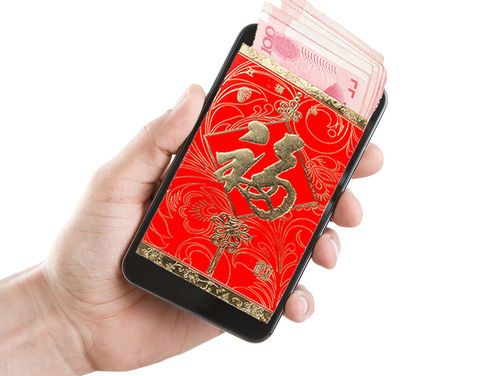
For brands, this diversity is both challenge and opportunity. Gaining attention and engagement has to be based on combining the creative theme with the distinct benefits that different channels have to offer. For example, Tencent ran its own campaign around the Chinese New Year based on the custom of giving hongbao, or lucky money envelopes. By releasing an app that would include random amounts of money in each envelope that was sent out to a group of friends or relatives, Tencent was able to encourage greater sharing of its app at a time of year when users are looking to interact with their loved ones.
At the same time, Tencent also signed up a large number of new users for its payments service that was linked into the app. This will support greater growth of e-commerce through the app in future. The strategy behind this is a good example of how to combine social with cultural events and new technology in order to produce a significant result.
This creative requirement is also leading to new collaborations between companies across marketing and content. For the social and online platform providers, content is key to them building their audiences. This audience is what they can then monetise, either directly or through partnership with other brands and companies.
In order to be successful, this content has to be extremely high quality. Online video services have to provide viewers with experiences that are distinct, whether this is through exclusive content or through brand partnerships. Volkswagen created behind the scenes videos to share online around the launch of its latest car, while brands have started integrated campaigns to link online video and traditional television with social campaigns. In China, use of international content complements exclusive online broadcasting rights to some of China’s largest series; brands can also look at how online video content can support their brand messages more directly through “behind the scenes” or additional material that is not available through traditional channels.
This premium content strategy can then be supplemented with social and apps to build awareness and point people to discover the material. This approach relies on integrating social into content and creative strategies from the start and making the right channel decisions. Campaigns that take account of how audiences want to interact with each other over each channel ultimately become more successful than those that try to apply the same creative ideas across all channels.
In China, apps are gaining increasing traction across multiple markets. Alongside taxi-hailing apps and social services, there are some great successes developing in the e-banking sector. The WeChat Fund Management app was launched in January 2014, and 800m RMB was raised in just one day – the equivalent of £79million.
There is also more business and app collaboration going on: our investment in Dianping is around the two companies jointly developing the largest offline-to-online (O2O) eco-system that is available. Dianping provides information on shops as well as consumer reviews, Groupon deals and online reservations. By integrating this data into social channels like QQ and WeChat, users can access qualified local services via multiple platforms and in ways that suit them. For the shop and restaurant owners, the result is that they will get access to O2O solutions that will help them grow their sales.
This is a fast-changing sector, and the cross-over between marketing and mobile will only continue to develop. For the future, I see more opportunities for collaboration across brands, platforms and content providers as the best way to keep up with these changes.
SY Lau Senior Executive Vice President of Tencent investigates the different ways Chinese marketers are gaining traction