In this week’s marketing news roundup I will be focusing on LinkedIn’s new B2B ad services and B2B marketers turning to digital.
LinkedIn Launches B2B Ad Services
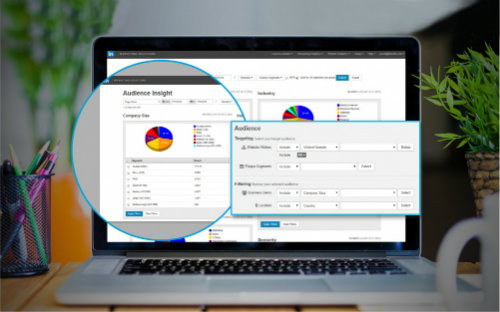
Last week LinkedIn launched two new ad products, Lead Accelerator and Network Display. These allow B2B brands to search for sales leads and place ads across various websites as well as its own. The professional social network has partnered with AppNexus to deliver ads based on LinkedIn data not only on LinkedIn's site and apps, but a network of 2,500 of other business-focused websites.
This announcement follows LinkedIn’s recent acquisition of B2B marketing platform Bizo. The acquisition, which cost the social media company $175 million, looks like it has been busy with its new toy as it’s set to take on the advertising world.
Source: Marketing Week
The Lead Accelerator product allows brands to place a pixel on their websites, which uses cookies to identify LinkedIn users so advertisers can get a better understanding as to the types of people visiting. This captures missing details of professionals who have visited brand websites by overlaying anonymised LinkedIn data over the brand’s site traffic.
To reach these users, LinkedIn’s Network Display will use its targeting insights to retarget visitors to third party websites and on its own platform. This will allow marketers to deliver relevant content to the right audience.
It seems this is just the beginning of LinkedIn’s expansion into the B2B marketing space. With these type of offerings and access to 347 million professionals, LinkedIn’s positioning looks promising.
B2B Marketers Turn to Digital
As more people shift to digital, it’s no surprise that B2B marketers are leveraging their efforts on digital channels. It’s expected this shift will allow digital marketing to dominate marketing budgets, according to Regalix recent report.
The study which surveyed senior B2B marketers, found that 82% plan to increase their online spend in 2015. In fact, more than half (52%) said they plan to spend over 50% of their marketing budget on digital this year, as compared to 36% last year. Compared to traditional/offline marketing, marketers expect to reduce spending in all offline channels except for B2B events. Marketers also plan to cut spend traditional content types such as handouts (32%), billboards (31%) and brochures (29%).
The research also highlighted the most effective digital marketing channels for B2B brands over the past year. 81% of marketers found websites the most effective channel for achieving their marketing goal, followed by email (71%) and SEO (54%). While for the year ahead, marketers plan to increase spending on SEO (57%), social media (54%) and email (48%).
Antoinette Taaffe, Marketing Specialist at IDG Connect